
Hypertrophic Cardiomyopathy (HCM)
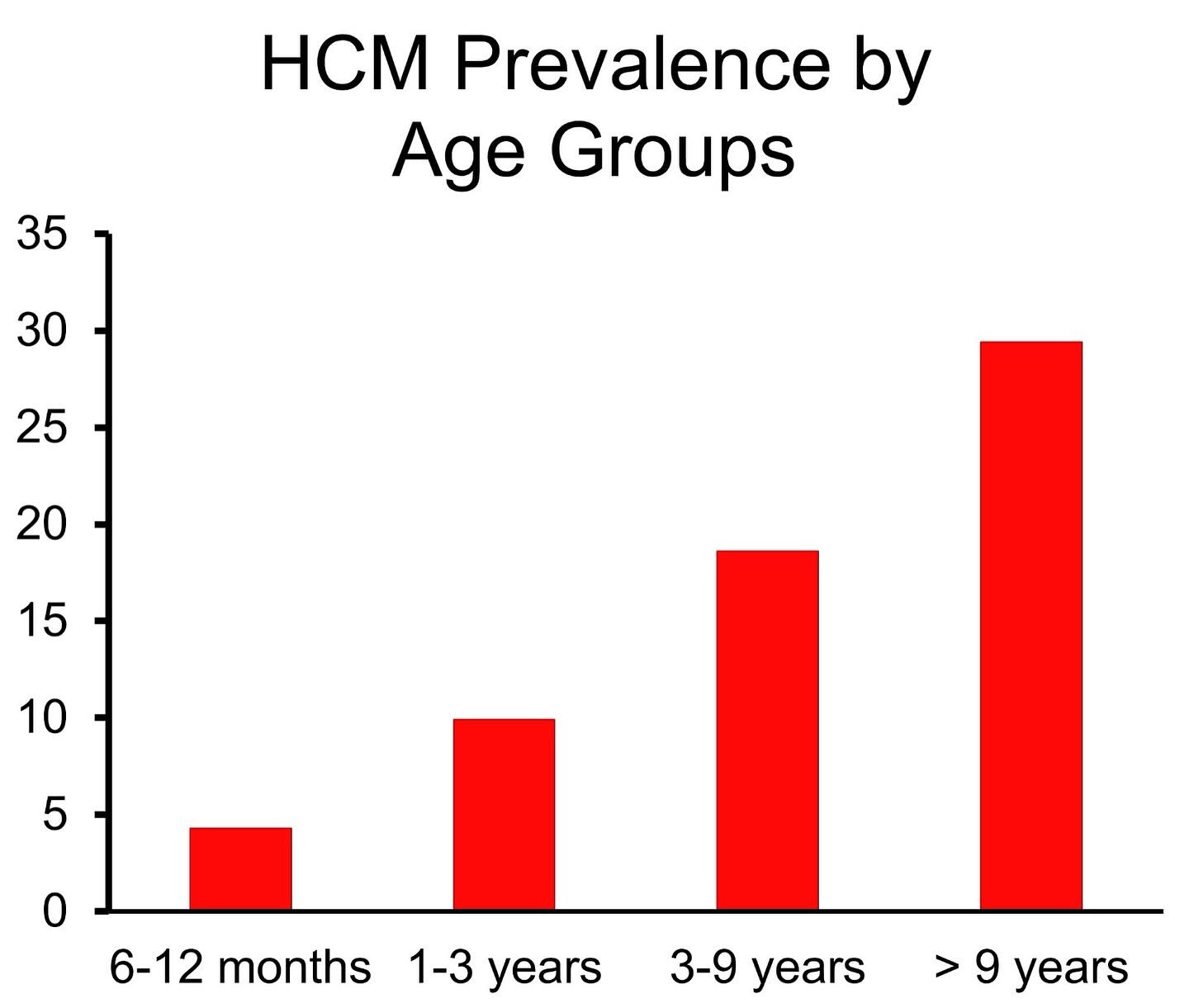
It is the most common heart disease in cats, affecting up to 30% of cats aged 9 years and above.
Obstructive HCM (HOCM)
Some cats also have HOCM, where the thickened muscle blocks blood flow out of the heart. This is the “obstructive” type.
Heart Failure in HCM or HOCM
As disease progresses, fluid can build up in the lungs (pulmonary edema) or chest (pleural effusion) or blood clots can form.
Some cats show signs like:
-
Fast or difficult breathing
-
Lethargy or hiding
-
Sudden leg weakness (from clots)
Current Treatment
There’s no effective cure yet. Medications help manage symptoms, but they don’t stop the heart from thickening.
Common drugs used are:
-
Diuretics remove excess fluid
-
Beta-blockers may help slow the heart rate and reduce obstruction, though studies have not proven a clear benefit.
-
ACE inhibitors may support circulation and reduce heart strain, but effectiveness remains unproven in cats.
-
Blood thinners prevent clots.
Mavacamtem: What is it?
Mavacamten is a new drug developed for humans with the same disease. It is a myosin inhibitor which helps the heart relax and pump more efficiently.
-
In a study evaluating human patients with HOCM, treatment with Mavacamten has been shown to improve exercise capacity, reduce LVOT obstruction, and enhance both NYHA functional class and overall health status.
What Research in Cats Shows?
One study using a drug like Mavacamten (called MYK-461) in cats with naturally occurring HCM found that it reduced how forcefully the heart contracted and improved blood flow obstruction.
However, the drug in that study was given as a single intravenous dose, and its long-term safety and dosing for everyday use remain unknown.
Current research in cats is still very limited, but these early findings give hope that future treatments could directly address the disease process.
It is worth mentioning that the exact safe dose and duration for cats are not yet established.
At this stage, using Mavacamten or similar drugs in cats is experimental.


